
Is there a simple change you can make in your diet that would lower your average blood sugar as much as adding diabetes medication? Would it work as well without any side effects?
Decades of research point to some benefit from a low glycemic index, but maybe they’re not asking the right questions? Let’s dig in.
A Survey of Low Glycemic Index Diet Research
My research roundup starts with a 2009 Cochrane review of 11 randomized controlled trials of type 2 diabetic patients (408 participants total). They found that the low-GI diet, followed for 1 to 12 months, reduced HbA1c by about 0.5% compared with the control diets. Cochrane 2009. That is a clinically significant amount. A 2015 meta-analysis of 19 studies with a total of 840 type 1 and type 2 diabetic participants found a 0.44% drop in HbA1c between the low-glycemic and high-glycemic diets. Two of the studies were crossover trials, and both found a significant benefit of the low-GI diet. Wang et al, 2015. Again, these results look very promising.
The exact amount of change in HbA1c depends on which studies are included or excluded from any particular review. For example, in 2019, Zafar et al. conducted a review with 54 randomized controlled trials of adults and children with type 1 and type 2 diabetes. They found that a low GI diet did significantly improve HbA1c levels, but only by about 0.15%, which is a lower amount than found in some of the other reviews. Zafar et al, 2019. The authors noted that it was difficult to achieve a significant difference between the low-GI and high-GI diets. So, sticking with the diet and really following it is actually a real problem in these studies.
Finally, in 2021, a University of Toronto research group rounded up the glycemic index research literature. They reviewed 29 studies that included 1,617 people with type 1 or type 2 diabetes. There is a 0.31% drop in HbA1c when the low glycemic index diet was compared to a high glycemic index diet. Chiavaroli et al, 2021. So, this isn’t as promising as a 0.5% back in 2009, nor as dismal as the 0.15% reported by Zafar et al.
So what is our takeaway from this research?
A Diet Doesn’t Work if You Don’t Follow It
First, I would say that diets don’t work unless you actually follow them. Most of these studies were between 1 and 6 months, which isn’t very long to see whether something has long-term effects. That’s just not long enough. But it is hard to get people to adhere to a study protocol for longer than a year.
In one three-year study by Jenkins at the University of Toronto, they found that adherence dropped off after 15 months. So up to 15 months it was great, but after that, people kind of went back to their old ways.
So do the results in real life tell us more about human behavior or about the possibilities of following a low-GI diet?
Focus on Whole Foods, Not Glycemic Index
Second, after reviewing all this research on the glycemic index, I would conclude that you should not focus on the glycemic index of foods. Focus instead on minimally processed whole foods. To me, that’s more important than whether something has a high glycemic index or a low glycemic index.
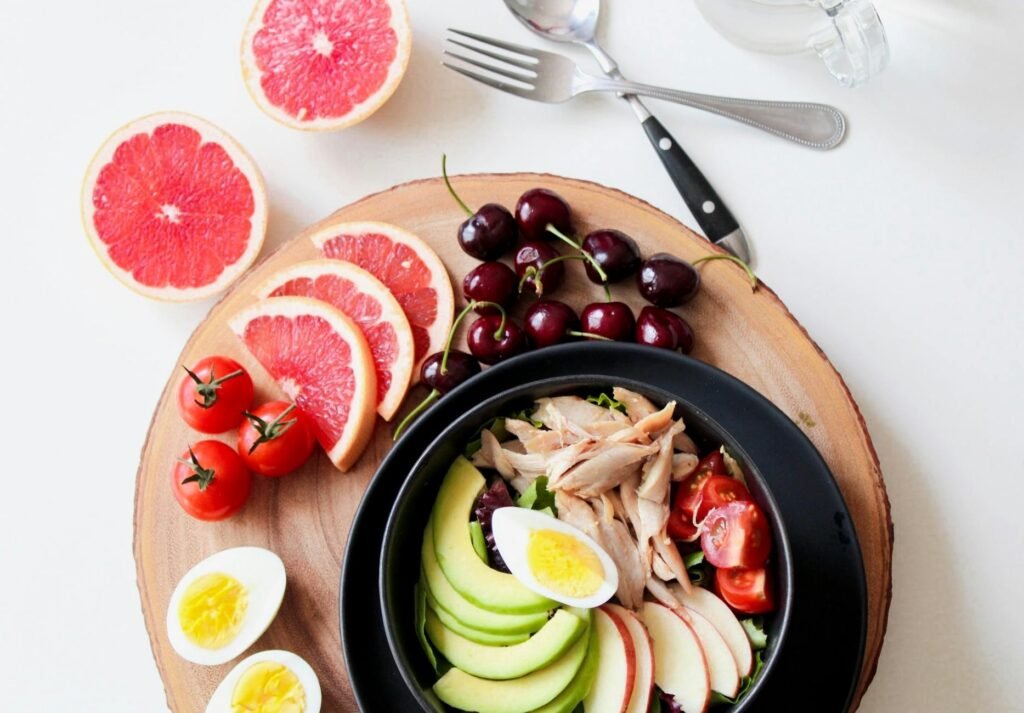
Low-glycemic index foods include rolled or steel-cut oats, brown rice, vegetables, legumes, berries, most vegetables, and intact whole grains. These are all healthy food choices that will slowly release glucose and prevent large spikes in blood sugar. That is going to work better over time, but the key may be to think more about whole foods or minimally processed whole foods, rather than the glycemic index. This is a much more intuitive way to think about food.
It’s not just because of the rate of glucose production, but also the effect on GLP-1 secretion after meals. These whole foods, which are high in fiber, naturally boost the body’s own satiety. Those are the same hormones that drugs like semaglutide stimulate. You can do this naturally with whole foods and intact grains. And you get better glucose and weight control with that.
Main Takeaway
You don’t need fancy supplements or extreme carb cuts to see real improvement. Focus on minimally processed whole foods. Doing this will lower your HbA1c, flatten glucose spikes, and even raise your own GLP-1 levels—naturally.
